

Can Drinking Water Help Lower Blood Pressure?
by
Dr. Jonathan Doyle - Updated December 05, 2025


Having high blood pressure, also known as hypertension, is a medical condition faced by millions of people worldwide. It is estimated that one in four adults in Singapore has high blood pressure. The effects of high blood pressure on one’s physiological condition cannot be underestimated, especially considering the risks associated with blood pressure concerning heart disease, stroke, and kidney failure.
Can something so simple and common in every household, something one consumes every day, such as water, be used as a treatment for high blood pressure? That is what this piece aims to clarify concerning the effects of water on blood pressure, among other related facts.
How Does Water Affect Blood Pressure?
A link between water and blood pressure may not be so obvious, but it plays a crucial role in ensuring proper circulation in the body . Drinking water helps the body regulate blood volume, which is directly related to blood pressure.
Blood volume is simply the amount of blood present within your body. When your body is well-hydrated, it is able to regulate a stable blood volume, ensuring a stable blood pressure level.

Conversely, dehydration can trigger a decline in blood volume. Consequently, the heart will have to work harder in order to distribute blood throughout the body, leading to a likely increase in blood pressure. Thus, staying within the recommended hydration levels can be a reliable means of controlling blood pressure.
How Much Fluid Is Recommended?
The amount of fluid you need can vary greatly from person to person. The quantity of water you require would depend on some factors, including your age, weight, activity levels, and the climate you live in. For instance, in the hot and humid climate of Singapore, it is important for you to be well-hydrated in order to avoid dehydration and its detrimental effects on your health.
Related article: What Is the Healthiest Water to Drink?
As a general guideline, a person is advised to increase fluid intake to a level of 8 cups a day, which is roughly 2 liters. But some researchers advocate a much greater intake if one is active or is subjected to extreme heat.
It is worth pointing out here that consuming water helps regulate blood pressure; however, it is not a treatment for high blood pressure. It ought to be taken in an overall regimen consisting of exercise, a balanced diet, stress management, and medications prescribed by a physician.

The Science Behind Water and Blood Pressure Regulation
Drinking water is closely related to blood pressure control in the body due to a few main mechanisms:
Fluid Balance and Blood Volume
As mentioned in the previous points, water is important for maintaining fluid balance in the body. This is because fluid balance is key to maintaining blood volume. If the body is dehydrated, blood volume will be reduced, leading to a lowering of blood pressure. As a reaction, your heart works harder. This may lead to hypertension.
Function of Kidneys
The kidney is an important regulator of blood pressure in the body. When you have dehydration, your kidneys will try to retain the fluid, leading to a concentrated form of urine being passed out of your body. This can induce the secretion of special fluids in your blood vessels; for example, “renin,” which can increase blood pressure.
Vasodilation
Researchers have demonstrated the ability of hydration to induce vasodilation, which is the dilation of blood vessels. As a result of dilated blood vessels , blood can flow with ease, leading to a drop in blood pressure. It is one of the reasons why hydration is beneficial for blood circulation and blood pressure.

Other Ways That Can Help Lower Blood Pressure
Drinking water is an essential part of maintaining blood pressure, but it is just a piece of the puzzle. Other means of lowering blood pressure include the following:
Eat a Healthy Diet
A healthy diet with plenty of fruits, veggies, whole grains, lean protein sources, and healthy fats will definitely help a person with heart care and control blood pressure levels. The best example is the "DASH" diet, which stands for " Dietary Approaches to Stop Hypertension " and is most effective in lowering blood pressure levels. It mostly includes foods rich in potassium, magnesium, and calcium.
Exercise Regularly
Exercise is one of the most effective means by which a person can reduce high blood pressure. Exercise helps in enhancing the function of one’s heart and blood circulation, leading to a reduction in blood pressure levels within a person's body. Make sure you exercise for a total of 150 minutes per week.
Manage Stress
Stress can be one of the causes of hypertension. Practicing stress management methods such as deep breathing exercises, meditation, and yoga can be an effective means of maintaining blood pressure levels.
Limit Salt and Processing
Too much salt can increase blood pressure, so it is a good idea to cut back on salt and processed foods in your diet. When you can, choose fresh and natural foods, and season with herbs and spices instead of salt.

Get Enough Sleep
Sleep can be a factor in high blood pressure if you don't sleep well. This is because you need 7-9 hours every night so your body can rest and recover, which is a significant key to your overall health and blood pressure control.
Role of Water Quality in Blood Pressure Management
Though hydration is a key factor in blood pressure support, it is also significant to acknowledge the importance of water quality in your consumption habits because tap water may be laden with hazardous substances such as chlorine, lead, and heavy metals.
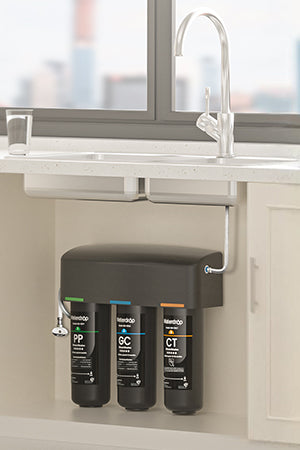
With a water filtration system, such as the Waterdrop Reverse Osmosis System, you will be able to get fresh purified water devoid of any contaminants that can be detrimental to your health. Reverse osmosis water filters can filter a broad spectrum of contaminants in the water you drink, ensuring you get the cleanest water available, which will help you with blood pressure control.
The Waterdrop X12 RO System is designed with sophisticated filtration technology that helps in removing up to 99% of contaminants such as heavy metals, pesticides, and chlorine, giving you purified water for hydration and a healthy lifestyle. This is especially useful where the tap water may be of questionable quality.
Consequences of the Lack of Clean Water
Drinking filtered water is beneficial in many ways, especially for those with hypertension and those who are prone to it because:
- Strips away harmful chemicals: Many of the chemicals present in tap water, including chlorine, fluoride, and heavy metals, can interfere with the body’s natural functions and be a factor in high blood pressure. Filtering your water strips away these chemicals, giving you a much healthier water source to drink from.
- Assists in hydration: Pure water, devoid of any toxins and contaminants, is better absorbed by the body; this helps the body have optimal hydration levels.
- Helps with kidney function: This is because access to fresh water promotes kidney function by ensuring the clearance of waste products from the body, thereby preventing the buildup of substances in the blood that can lead to high blood pressure.
Conclusion
Drinking water is an excellent means of ensuring blood pressure is kept in a healthy range. Drinking plenty of water helps boost the circulation of fluids within the bloodstream, leading to a consequent reduction in blood pressure levels being recorded. Drinking water can be an effective means of lowering blood pressure only when conducted alongside a healthy lifestyle routine.
However, for Singaporeans, with the climate being so hot and humid, it is crucial for one to make sure that the water one is drinking is both abundant and pure enough, free from any harmful substances that may be present in it. For one to access pure water, it is advisable to invest in a reliable water filtration device, such as the Waterdrop Reverse Osmosis System.
Contaminants Detected in Fruitland Water
Special
Service District
30
Contaminants
EXCEED EWG HEALTH GUIDELINES
EXCEED EWG HEALTH GUIDELINES
30 Total Contaminants in Your Water
Water Provider
Fruitland Water Special Service DistrictPopulation Affected
120,000Water Source
Ground waterExceeds Guidelines
Others Detected
Thank You For Subscribing!
We are thrilled to have you on board and look forward to
sharing
exciting updates, exclusive offers, and valuable insights with you.