

Do I Need to Add Minerals to Reverse Osmosis Water?
by
Dr. Jonathan Doyle - Updated January 27, 2026


When it comes to drinking water, the quality of the water you consume has a crucial impact on your health. Reverse Osmosis (RO) water filtration is widely regarded as one of the most effective methods for purifying tap water, as it removes dangerous contaminants such as heavy metals, chlorine, pesticides, and bacteria. But a common question that people ask is: Do I need to add minerals to my Reverse Osmosis water?
In this blog, we will explore the answer to this question, the reasons why minerals are lacking in RO water, and whether it’s beneficial to replenish those minerals. We will also discuss solutions available to improve the quality of water in Singapore, and how the Waterdrop RO system fits into the equation.
Why Is Reverse Osmosis Water Deprived of Minerals?
Reverse Osmosis is a highly effective filtration process that works by forcing water through a semi-permeable membrane. This membrane allows water molecules to pass through, while rejecting contaminants such as chlorine, bacteria, heavy metals, and other pollutants. As a result, the water produced by an RO system is highly purified and free from harmful contaminants.
However, the process of reverse osmosis does not differentiate between contaminants and beneficial minerals. While it eliminates harmful substances, it also removes minerals such as calcium, magnesium, potassium, and sodium that are naturally present in tap water and contribute to its nutritional value.

Although the purification process is beneficial for eliminating toxins, the lack of minerals in RO water has raised concerns among consumers, prompting the question of whether minerals should be added back into the water.
Do I Need to Add Minerals to Reverse Osmosis Water?
The short answer is: It depends on your preference and health needs.
RO water is "pure" because it is free from contaminants, but its mineral content is also low. This can be a drawback for some people. In this section, we will explore the arguments for adding minerals to RO water and what you need to consider when making this decision.
Related article: Is RO Water 100% Pure? Knowing RO in Singapore
1. Health and Nutrition Concerns
Minerals such as calcium, magnesium, and potassium play vital roles in the human body.
Although RO water lacks these minerals, they can be obtained from food sources. For most people with a balanced diet, the absence of minerals in RO water is unlikely to pose a health risk.
However, if you have specific health concerns or a deficiency in these minerals, and you rely on your water to provide some of your mineral intake, adding minerals to your RO water may be a good option for you.

2. Taste and Water Quality
Water that contains minerals typically tastes better than plain RO water. The natural minerals found in water enhance its taste, making it more refreshing. Many people find that RO water, which is free from minerals, tastes flat or bland.
If you prefer the taste of mineralized water, adding minerals to RO water can improve your drinking experience. On the other hand, if you enjoy the taste of pure, clean water, adding minerals may not be necessary.
3. The Role of Remineralization Filters
For those who want both purified and mineralized water, there are remineralization filters available. These filters add essential minerals back into the RO water, enhancing both its taste and nutritional value.
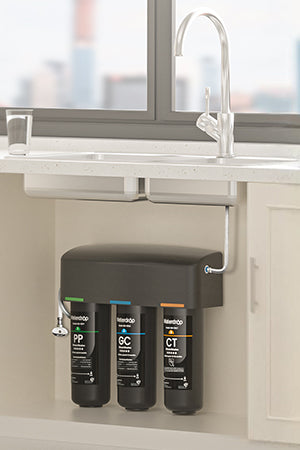
For example, Waterdrop's Reverse Osmosis System X12 includes a remineralization filter that replenishes minerals like calcium and magnesium. This provides you with the benefits of purified water free from contaminants, along with the health benefits of minerals.
How Does Remineralization Work?
Remineralization refers to the process of adding essential minerals back into purified RO water. There are two main methods. Mineral drops are liquid solutions that contain essential minerals such as calcium and magnesium. These drops can be added directly to your RO water. Simply follow the manufacturer’s instructions to ensure the correct amount of minerals is added.
Some RO systems, like those from Waterdrop, come equipped with built-in remineralization filters. These filters automatically add a combination of minerals such as calcium, magnesium, and potassium back into the water, ensuring it is both healthy and refreshing.

How to Add Minerals to RO Water
If you’re considering adding minerals to your reverse osmosis water, here are some options:
- Mineral Drops: These are a convenient and cost-effective way to add minerals to your water. You can find them in health food stores or online.
- Remineralization Filters: Some RO systems, like the Waterdrop RO filter X12 , come with built-in filters that automatically remineralize the water.
- Alkaline Water Systems: These systems go a step further by not only adding minerals but also raising the pH level of the water, making it more alkaline.
Advantages of Remineralized RO Water
- Better Taste: Remineralized water tastes more natural and refreshing because the added minerals enhance the flavor.
- Increased Hydration: Minerals like magnesium and potassium improve the body’s ability to absorb and retain water, leading to better hydration.
- Overall Health: Replenishing minerals in water helps the body receive important nutrients, even if your diet lacks them.
Final Thoughts
Whether or not you should add minerals to reverse osmosis water depends on your individual needs and preferences. For the average person with a well-balanced diet, RO water is a safe, clean source of drinking water free from contaminants. However, if you prefer mineralized water or have specific health needs, adding minerals to RO water can enhance both its taste and nutritional value.
If you're looking for a water system that provides both purified and remineralized water, the Waterdrop Reverse Osmosis System is an excellent choice. It ensures you get the best of both worlds: safe, purified water and the health benefits of essential minerals.
Contaminants Detected in Fruitland Water
Special
Service District
30
Contaminants
EXCEED EWG HEALTH GUIDELINES
EXCEED EWG HEALTH GUIDELINES
30 Total Contaminants in Your Water
Water Provider
Fruitland Water Special Service DistrictPopulation Affected
120,000Water Source
Ground waterExceeds Guidelines
Others Detected
Thank You For Subscribing!
We are thrilled to have you on board and look forward to
sharing
exciting updates, exclusive offers, and valuable insights with you.