

Is There Lead in Singapore's Tap Water? A Practical Guide
by
Dr. Jonathan Doyle - Updated January 27, 2026


Tap water is essential in daily life, and many questions regarding its purity and safety reach far and wide. Among those pressing questions is whether lead can find its way into the water we drink. Though lead pollution can be quite serious in certain regions, particularly in older water piping, what role does this problem take in Singapore?
The Water Supply in Singapore
Before becoming alarmed about lead, it is necessary to understand the water processing systems in Singapore. The city-state has renowned clean and safe tap water, and its Public Utilities Board , better known as PUB, takes charge of managing and processing it. Before reaching homes, water undergoes rigorous testing.
The treatment involves filtration, disinfection, and chemical modification, which conform to the standards set by the World Health Organization Drinking Water Guidelines . Thus, water from taps in Singapore can be safely drunk with minimal treatment.
What Lead Contamination Really Means
Lead is toxic and can be damaging to one's health, particularly in children and pregnant women. Lead can be present in water if older fixtures, such as lead piping, lead solder, or lead fixtures, are used in older water systems.
Modern systems, however, pose less danger to users. The majority of new homes in Singapore employ piping that are lead-free, and PUB maintains surveillance over its water supply. Older homes may employ materials with lead, however, and may be considered unsafe.

Does Singapore's Tap Water Have Lead?
PUB has reported that lead in tap water in Singapore is not generally present. The water is tested for safety before reaching homes, and lead water pipes are not present in the public water distribution system anyway.
Having said that, however, lead may occur under special circumstances. Houses with older plumbing systems, particularly those constructed prior to the 1970s, may have lead pipes or fixtures. Under such conditions, lead may possibly seep into the water, especially if water has been stagnant in the pipelines for an extended period of time.
Related article: Is drinking water without a water filter safe?
Ways to Test if Tap Water in Your Home has Lead
If you are concerned about lead, you can follow these steps to test your water:
Test Your Water
The best method is conducting a water test. Home testing kits can be used, and there are also professionals available in Singapore to analyze your water.
Check Your Plumbing
Older homes are at greater risk. Check your home to see if it was built before the 1970s; if it contains lead lines or fixtures with lead solder, consider replacing it.

Open Evacuation Hole
The water can be contaminated with lead if it sits in the pipes for hours. You can run your taps for a few minutes before you can drink or use water.
Health Risks of Lead Exposure
Lead can pose serious health dangers, especially to young children, pregnant women, and infants. The conceivable dangers include:
- Developmental Delays: Disrupted brain development, learning problems, and adverse behaviors with lower IQ.
- Kidney damage and hypertension due to prolonged exposure.
- Reproductive: During pregnancy, lead can affect fetal development, resulting in premature birth or low birth weight.
Such risks make it imperative that you protect yourself and your loved ones, particularly in older homes with lead piping.
Protecting Yourself from Lead in Tap Water
Despite the overall low-risk assessment of Singapore, several water-safe measures must be taken.
A Water Filter
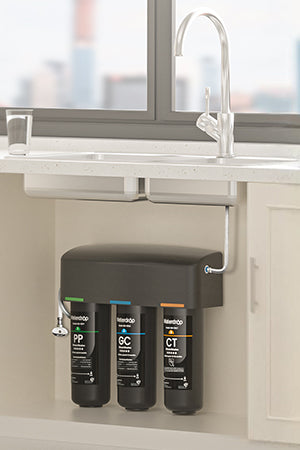
A filter is an excellent shield against lead. You may choose filters with lead-reducing capacity, including pitchers, faucet-mounted filters, and reverse osmosis filtration systems .

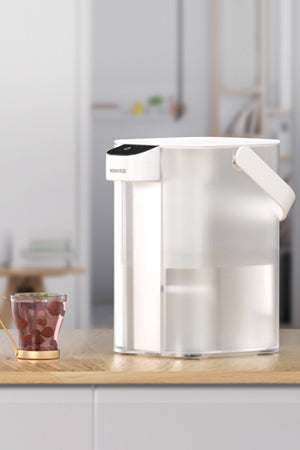
For instance, Waterdrop Countertop Reverse Osmosis Systems A2 come with technology that helps remove various contaminants such as lead, chlorine, fluoride, and many others, providing users with safer drinking water.
Boiling Water
Boiling will kill microbes, but it will not remove lead, and, in some cases, it can concentrate lead if present. Boiling is not an effective method of lead removal.
Replace Lead Pipes and Fixtures
Homes with older plumbing systems that contain lead may consider upgrades with lead-free materials, particularly if your home was constructed before the 1970s.
Faucet Filters
Faucet-mounted water filters offer an easy, convenient ‘on tap’ alternative for keeping drinking water lead-safe. Faucet-mounted water filters are easy to install and maintain.
Waterdrop's Contribution to Drinking Water Safety
To achieve an effective reduction of lead and contaminants, you may consider Waterdrop Reverse Osmosis Systems. This water filtration system has been effective in removing up to 99% of contaminants such as lead, chlorine, fluoride, and metallic ions. Waterdrop systems are easy to set up and maintain, providing whole-house filtration and faucet-mounted designs according to your preferences.
Overall, it can be seen that due to the stringent water management system practiced by countries like Singapore, instances of lead present in tap water are minimal. Although this is true, it is essential to be aware of the facts, particularly when it comes to older buildings.
Contaminants Detected in Fruitland Water
Special
Service District
30
Contaminants
EXCEED EWG HEALTH GUIDELINES
EXCEED EWG HEALTH GUIDELINES
30 Total Contaminants in Your Water
Water Provider
Fruitland Water Special Service DistrictPopulation Affected
120,000Water Source
Ground waterExceeds Guidelines
Others Detected
Thank You For Subscribing!
We are thrilled to have you on board and look forward to
sharing
exciting updates, exclusive offers, and valuable insights with you.