

Why Reverse Osmosis is Better Than Using Bottled Water
by
Dr. Jonathan Doyle - Updated January 27, 2026


Navigating the best choice of drinking water has been a dilemma: reverse osmosis water vs bottled water. Though both offer safe and clean drinking water, the question is: which is best for our health, the environment, and our pockets? This guide will compare RO water and bottled water and give reasons why RO water is the best choice in Singapore.
Reverse Osmosis filtration systems are becoming popular for purifying tap water. Despite this, bottled water is popular and convenient to access. There are many advantages of RO filtration systems over bottled water besides their purification quality.
How Does Reverse Osmosis Work?
Reverse Osmosis (RO) is a water filtration technique in which a semi-permeable membrane is employed to filter the impurities out of the water. The functions of the semi-permeable RO water filter include filtering out of substances bigger than the water molecule size, such as pollutants. RO water is very clean because it contains no chlorine, lead, pesticides, and many other substances.
RO systems also involve a number of filtration levels in order to make the water as safe as possible to drink. The systems are able to filter up to 99% of contaminants present in tap water.

Bottled Water Explained
Bottled water refers to water packaged in plastic and glass bottles and then sold in retail outlets. Examples of bottled water include:
- Spring water
- Distilled water
- Purified water
Bottled water has the advantage of being portable and available in various sizes, making it convenient to handle and utilize.
At the same time, it is important to note that not all bottled water is the same thing. There are some brands that include minerals sourced from nature, and there are those that purify their water through RO and distillation methods depending on the brand involved.
Why RO is Better Than Bottled Water
1. Purity & Quality
RO systems eliminate contaminants to the extent of 99% for chlorine, fluoride, heavy metals such as lead, mercury, and arsenic, along with other contaminants like bacteria, viruses, and dissolved solids. RO water is thus highly pure and safer than packaged water, which is not always treated to the same extent.
Some of the bottled water available contains RO/distillation processes but this is not the case with all the bottled water available in the market. The studies conducted found that some of the samples contained microplastics too. RO water will usually provide a higher degree of filtration.

2. Cost
RO has a large savings advantage over the cost of bottled water. The price of the bottled water per gallon is higher and will add up quickly if consumed daily or in a family setting. The RO water treatment system in the house will only require an initial purchase and periodic services (replacing filters in 6 to 12 months).
Instead of buying water in bottles, you receive new, purified water with the RO system. You also don’t tote heavy water bottles from the grocery to your house.
3. Environmental Impact
RO enhances the environment. The packaged water comes in plastic bottles that are non-returnable, thus resulting in a huge amount of plastic waste. Most of the plastics find their way into the landfill and the oceans and take many years to decompose. Every year, millions of tons of plastics find their way into the oceans.
Using an RO involves refilling a bottle at home and thus eliminating the need for plastic packaging. Most ROs available in the market are space-saving and environmentally friendly due to their low electricity consumption.

4. Convenience and Accessibility
Bottled water appears convenient, but RO is also quite convenient. Bottled water requires you to purchase and transport the bottles in addition to storing them. Additional bottles mean additional clutter.
RO water is also always available from the tap. You should consider installing an RO system in the kitchen and thus be able to refill glasses or bottles at any time when the need arises.
5. Health Advantages
The quality of the water in the bottle may be affected by the risks associated with the transport process and the way the water is stored in the bottle. The bottles are prone to heating up, and this has been known to facilitate the release of substances in the plastics into the water.
RO water is purified to remove any chemical substances, heavy metals, and bacterial components. You can also modify the filter according to the contaminants present in your area.
6. Taste and Odor
People tend to consider the taste of packaged water to be better. The taste of RO water will be the same or even better.
RO water is treated to remove chlorine and other typical taste and odor issues associated with water. RO water has a clean and refreshing taste. Minerals are added (remineralization) to make the water taste better and to make the water nutritious too.

Why Choose Waterdrop RO Systems?
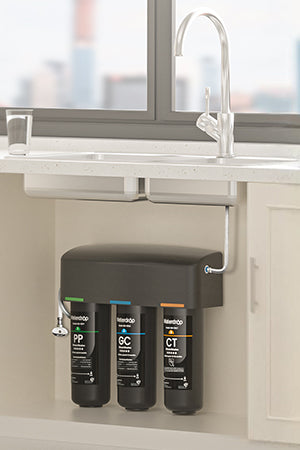
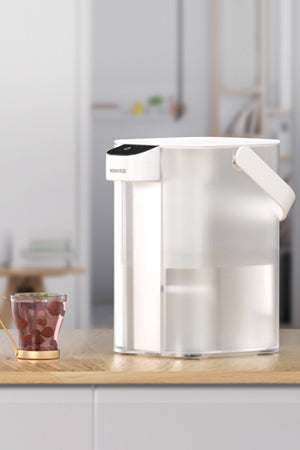
If RO is right for you, consider the Waterdrop Reverse Osmosis Systems , because their products provide clean and delicious water right out of the tap instead of having to rely on bottled water.
Advantages of Waterdrop RO Systems
- Total Water Filtration: Removes up to 99% of contaminants such as chlorine, lead, and heavy metals.
- Cost Effective: Unlimited purified water means you don't need to purchase bottled water anymore.
- Environmentally Friendly: Reduced single-use plastics.
- Convenient and Efficient: Enjoy access to clean water right in front of you, eliminating purchases and bottle storage.
By choosing a Waterdrop RO water filtration system, you receive generalized advantages of filtered water, along with economic and eco-friendly advantages.
Takeaway
In the comparison between reverse osmosis water and bottled water, the reverse osmosis water is superior in terms of purity, cost, environment, and health advantages.
The RO water system provides you with cleaner, safer, and better-tasting water and will save you money in the long run by reducing the need for plastic water bottles that are wasteful and nonbiodegradable. For a Singaporean in search of a trustworthy filtration solution, a Waterdrop Reverse Osmosis system will provide an effective answer to maintain a constant supply of clean and accessible water.
Contaminants Detected in Fruitland Water
Special
Service District
30
Contaminants
EXCEED EWG HEALTH GUIDELINES
EXCEED EWG HEALTH GUIDELINES
30 Total Contaminants in Your Water
Water Provider
Fruitland Water Special Service DistrictPopulation Affected
120,000Water Source
Ground waterExceeds Guidelines
Others Detected
Thank You For Subscribing!
We are thrilled to have you on board and look forward to
sharing
exciting updates, exclusive offers, and valuable insights with you.