

Is Reverse Osmosis Water Better Than Fridge Water?
by
Dr. Jonathan Doyle - Updated January 27, 2026


When it comes to selecting the best drinking water to serve health and domestic needs, two of the best options available include reverse osmosis water and fridge water. Given the issue of water quality in Singapore, where many people consider water quality to be a crucial factor, it is important to know the difference associated with the two options available. The question is how the two compare in terms of quality, taste, and health benefits.
Advantages of Reverse Osmosis Water
Effective Purification
Reverse osmosis eliminates pollutants such as chlorine, fluoride, lead, pesticides, and other poisonous materials that might be present in the tap water.
Cleaner Taste
The taste of reverse osmosis water is said to be cleaner and crisper because the water contains no chlorine, minerals, and other contaminants.
Healthier Drinking Water
Since RO filters out potentially dangerous substances, the use of RO water becomes a healthy choice, especially for people with delicate stomachs and those with health conditions.
Cost-Effective in the Long Run
Though the installation cost of a reverse osmosis water filter system might be a bit higher, this investment will give you pure water right from the tap, thus making it cost-effective in the long run because you will not need to purchase water from water-delivery services.

Fridge Water: What Is It?
Fridge water is the water that comes out of the water dispenser in your fridge. The water has to pass through a normal filter to remove chlorine and any large contaminants but doesn’t filter as well as reverse osmosis filtration methods.
Fridge filters are mostly carbon filters that remove contaminants while ensuring a better taste of the water. They are convenient in the sense that they are connected to the fridge and thus accessible. The water from the fridge might not be evenly purified when compared to the process involved in reverse osmosis.
Click here if you want to learn more about How to Test Water Hardness in Singapore: A Simple Guide.
Advantages of Fridge Water
Convenience
One of the advantages of fridge water is its convenience. You don’t need to fit another filtration system because it’s already fitted in the fridge.
Cost-Effective
Fridge water is more cost-effective because a fridge water filter costs less than the installation costs for an RO system. The cost of changing the fridge filter is very low.

Better Taste
The carbon filters in refrigerators work to remove chlorine and enhance the taste and odor of tap water, making it easier to drink for those who find the taste unpleasant.
How Reverse Osmosis Water Differs from Fridge Water
Since we know the basics of both kinds of water, let’s jump into the crucial points and compare the two based on a number of important elements.
1. Filtering Efficiency
The efficiency of the process in filtering water is much better in the case of reverse osmosis. RO filters are able to remove as much as 99% of the contaminants in the water, along with heavy metals, bacteria, and chlorine. The fridge water filter, in contrast, is meant to filter out chlorine, sediments, and larger particles from the water only. This implies that the fridge water may contain traces of contaminants that are removed in the reverse osmosis process.
If you are worried about the purity and safety of your water and if there are heavy metals and possibly chemical contaminants in tap water, reverse osmosis will be the better choice.
2. Taste and Odor
Since reverse osmosis eliminates a majority of the contaminants in the water, the water from this process is known to be much fresher than water from the fridge. RO water is known to taste "pure" because it doesn’t contain any chlorine and minerals that give tap water a foul taste.
Fridge water, although filtration enhances its quality, will always contain a slight hint of chlorine and other flavors derived from the tapped source of water. Though it might be fine for everyone, those who desire the pure taste of cleaned water will find the fridge water less than ideal.
3. Health Considerations
The best health advantages are those associated with reverse osmosis water, especially in people with health issues that require sensitivity. Reverse osmosis eliminates contaminants that are poisonous to consumers and include elements such as lead, pesticides, and bacteria, whose presence in tap water poses a hazard to consumers. The groups at a higher risk include people whose immune systems are compromised, newborns, and pregnant women.
Fridge water, while safe and pure enough for consumer use, will not necessarily offer the same level of purification. Chlorine and suspended particles will be removed, but it will not solve problems involving toxins such as pesticides, heavy metals, and bacteria that might be a long-term concern.

4. Cost
Fridge water filters will cost relatively less than a reverse osmosis system in the long run. You will not be responsible for the installation costs of a reverse osmosis system and the costs of its maintenance and replacement filters. You will be required to replace the fridge filter, however, and while its costs will be less than a reverse osmosis system, this will be a continuous process.
Though reverse osmosis systems are more expensive to purchase at first, they are relatively more economical in the long run. Using an RO system will enable you to drink pure water directly from the tap, thus eliminating the need to purchase water through a water delivery company.
5. Maintenance and Lifespan
RO systems require higher levels of maintenance than fridge filters because filter replacement and RO system services are needed periodically. Despite the high maintenance costs, the RO system has a lifespan longer than a fridge filter if well maintained. The average life of RO system filters is 2 to 3 years, and the carbon filter in a fridge has a life of 6 months.
For people who value convenient solutions, fridge water filters will be much easier to work with, but it should be noted that the filter quality will be less effective than in the RO solution.

Which Water is Better for Singaporeans?
For instance, in Singapore’s water supply, while the tap water is of high quality and safe for consumption, it still contains some contaminants. The reverse osmosis water filter thus provides a higher level of purification that those who value their health through healthy hydration will appreciate in the sense that the RO water filter ensures that the water you drink is the purest possible water available.
At the same time, the water that comes from the fridge’s dispenser might be a relatively cheap and convenient alternative if you do not mind the basic filtering process that the water has to go through in order to be drinkable. Perhaps it will be enough in your case if you’re working with a tight budget and you need a way to make the taste of the tap water slightly better.
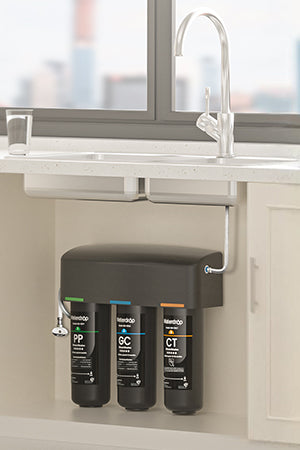
But if you are more concerned with the quality and safety of the drinking water in your home, and perhaps worried about contaminants, then the winner in my opinion has to be the reverse osmosis system. You too can drink healthy and safe water with the Waterdrop Reverse Osmosis Water Filter System.
Conclusion
Comparing the qualities of reverse osmosis water to the water found in refrigerators, it becomes apparent that the former has a superior filtration process and health advantages. Though fridge water is easier to access and less costly, its unpure properties and possible health risks make it less superior to RO water.
Given their focus and concern for better health and savings in the long run, Singaporeans should consider the purchase of the reverse osmosis filter referred to as Waterdrop RO. If you’re ready to experience the advantages of reverse osmosis water, then consider installing a Waterdrop RO system in your water filtration system today. Your family deserves the best.
Contaminants Detected in Fruitland Water
Special
Service District
30
Contaminants
EXCEED EWG HEALTH GUIDELINES
EXCEED EWG HEALTH GUIDELINES
30 Total Contaminants in Your Water
Water Provider
Fruitland Water Special Service DistrictPopulation Affected
120,000Water Source
Ground waterExceeds Guidelines
Others Detected
Thank You For Subscribing!
We are thrilled to have you on board and look forward to
sharing
exciting updates, exclusive offers, and valuable insights with you.